When you’re selecting valves for your system, choosing the right flange type can make all the difference. Ball valve flange and neck flange designs might look similar at first glance, but they have critical differences that impact installation, performance, and maintenance. Understanding these differences ensures you pick the most suitable valve for your application, avoid costly mistakes, and extend the life of your system.
What is a Ball Valve Flange?
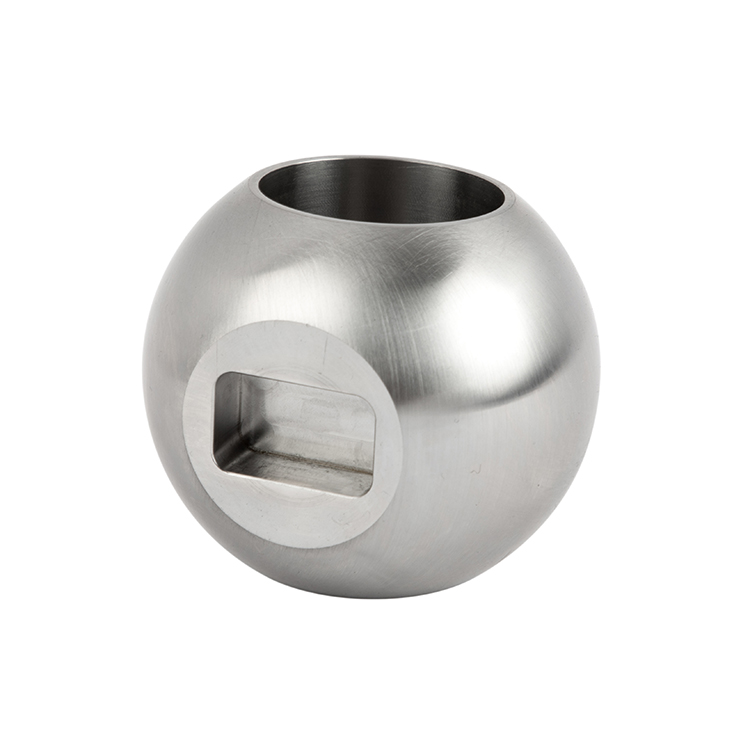
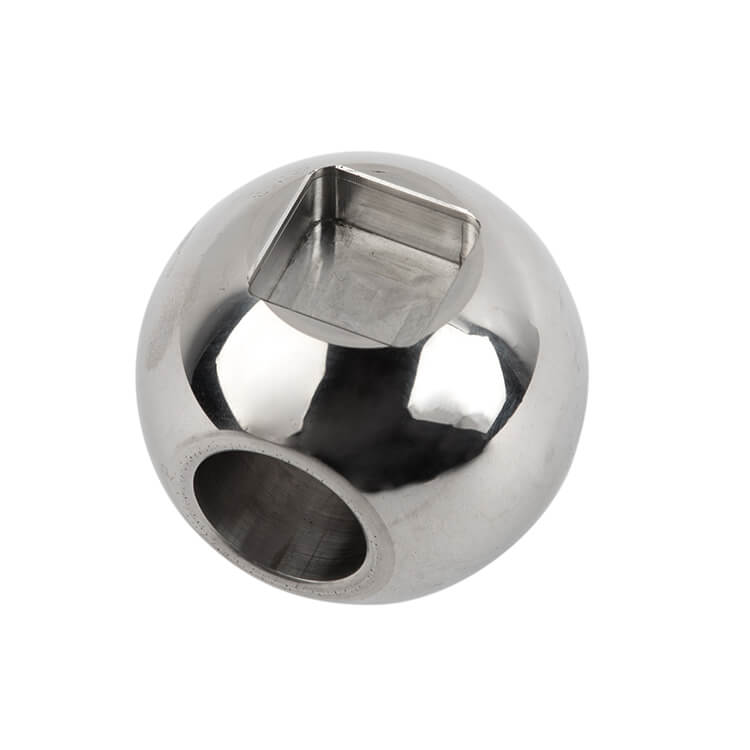
A ball valve flange connects a ball valve to a pipe using a flat, bolted surface. This flange type is common in industrial applications, and it’s known for ease of installation and replacement. The flat face allows you to use gaskets for sealing, making it adaptable to many pipeline configurations.
Key Features of Ball Valve Flange:
Can handle high-pressure systems efficiently
Compatible with standard bolted flange sizes
Easy to remove and replace without major downtime
Requires proper gasket selection for leak prevention
Ideal for systems where valve rotation isn’t frequent
Example Case: A chemical plant in Texas replaced their threaded valves with flanged ball valves to improve safety during frequent chemical line maintenance. The flat-faced ball valve flange made inspections and replacements faster and safer.
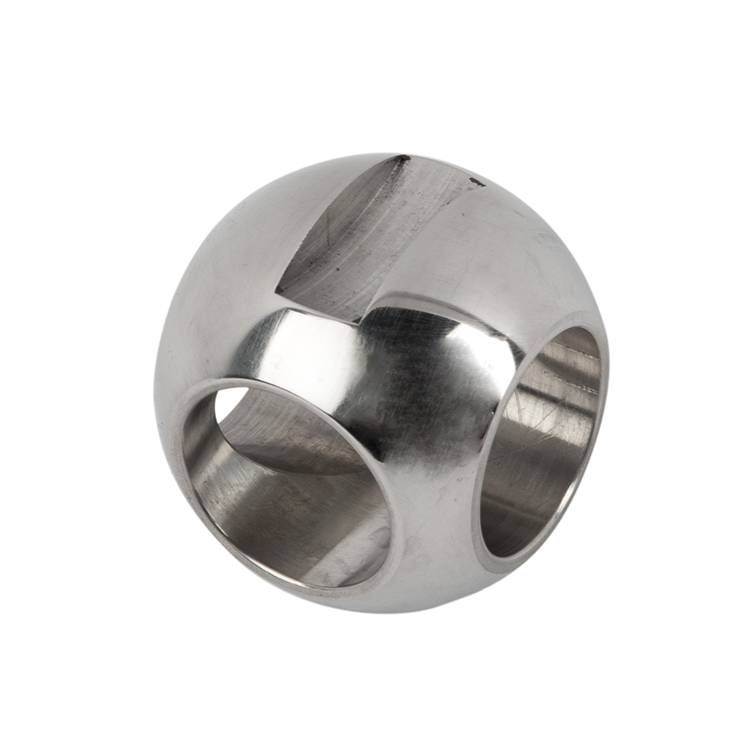
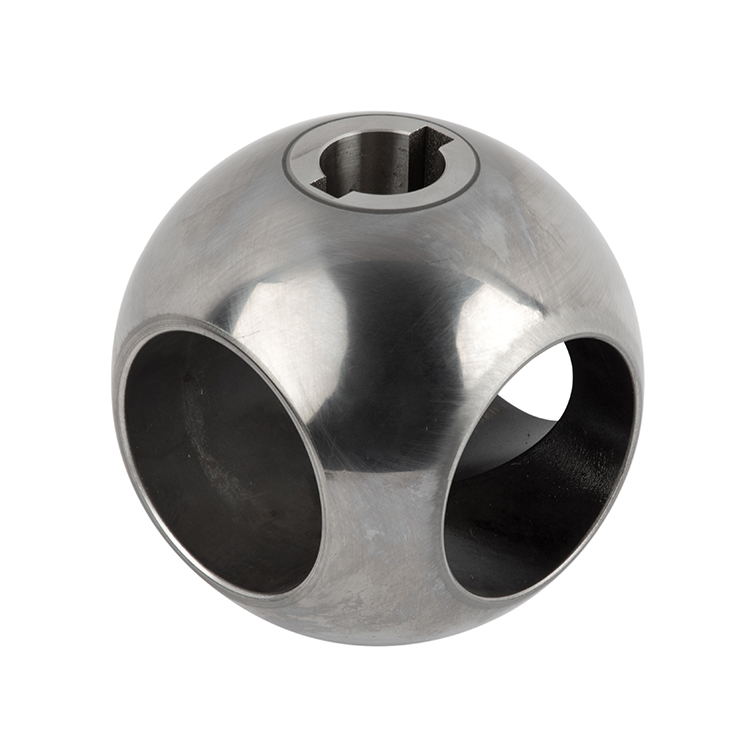
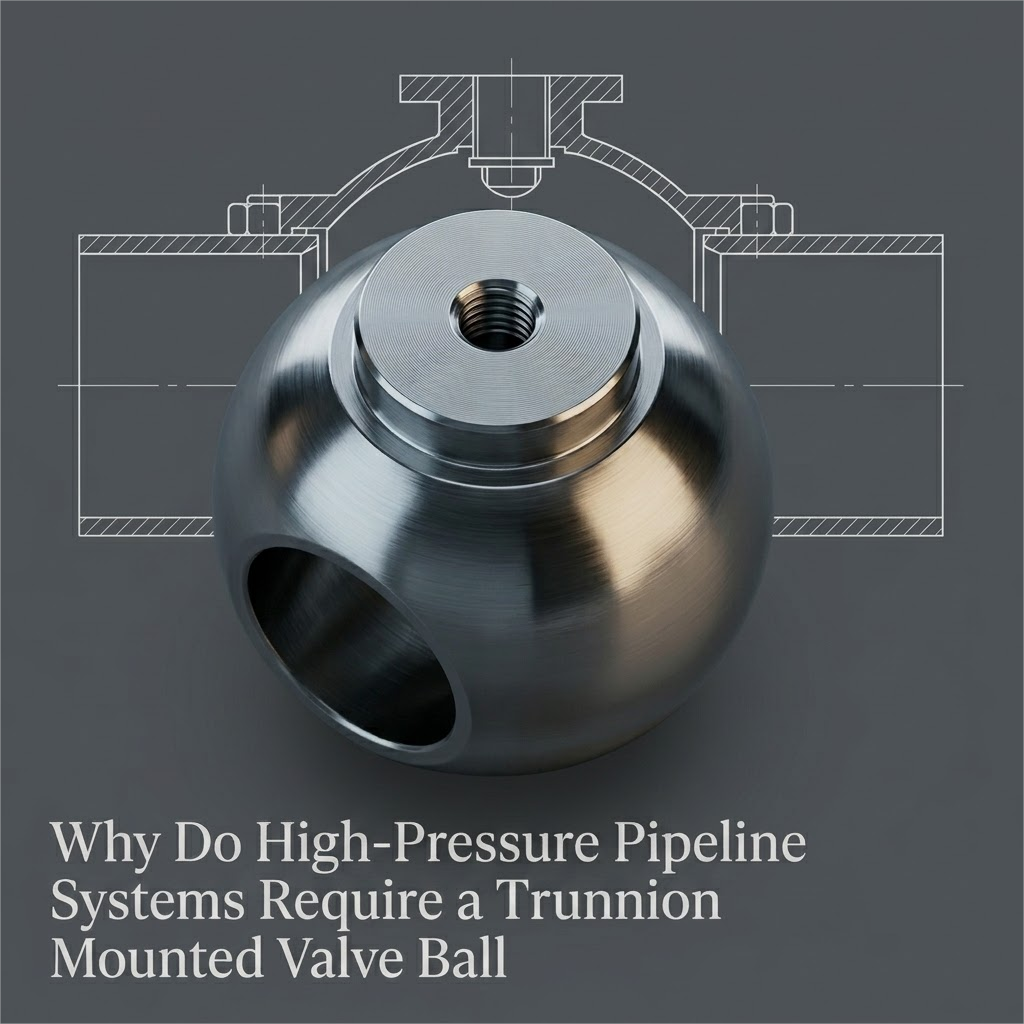
Ball Valve Flange
What is a Neck Flange?
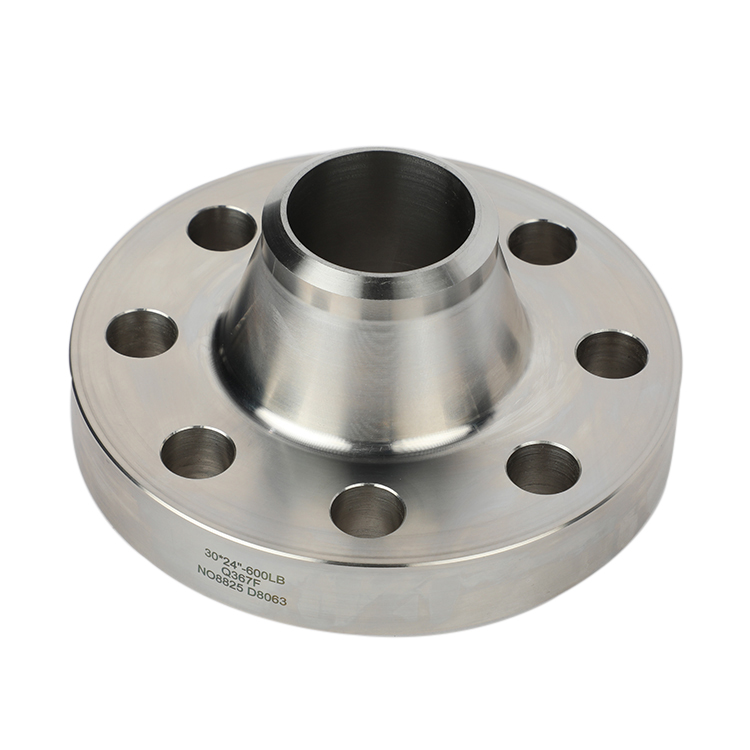
A neck flange, also called a weld neck flange, has a long tapered hub that is welded to the pipe. The design provides excellent strength and reduced stress concentration, making it suitable for high-pressure and high-temperature pipelines.
Key Features of Neck Flange:
Superior structural strength under extreme conditions
Reduces turbulence in fluid flow
Less prone to leakage due to welded connection
Ideal for critical pipelines with thermal expansion
Requires precise welding during installation
Example Case: In a European oil refinery, operators chose neck flanges for high-pressure crude pipelines. The welding ensured minimal leaks and extended service life compared to traditional flanged valves.
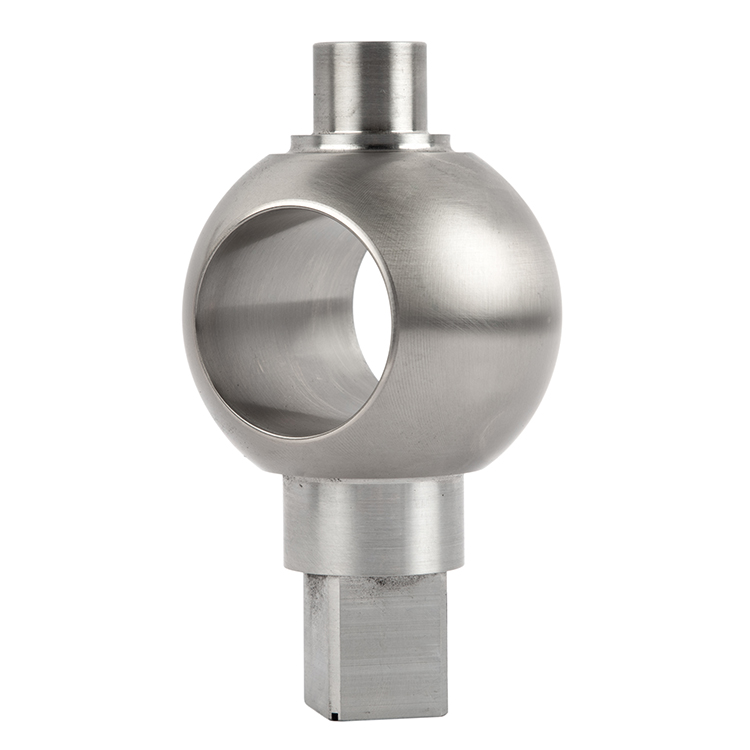
Ball Valve Neck Flange
Ball Valve Flange vs. Neck Flange: Side-by-Side Comparison
Ball Valve Flange is ideal for general industrial systems where ease of installation and maintenance is important.
Neck Flange is suitable for critical pipelines needing maximum strength and reliability under extreme conditions.
This comparison helps you quickly decide which flange type matches your system requirements and reduces potential downtime or maintenance issues.
Why You Should Care About Flange Selection
When you’re buying valves, it’s easy to overlook flange type. But think about it: installing a ball valve flange in a high-pressure pipeline might save you money upfront, but what about downtime or leaks later? On the other hand, a neck flange offers robust reliability, but installation takes time and expertise.
You want to avoid unnecessary headaches. Choosing the right flange ensures safety, performance, and cost-efficiency over the system’s lifetime. If you’ve had maintenance nightmares before, you know exactly why this choice matters.
Installation Tips for Both Flanges
Ensure the pipeline and flange surfaces are clean before assembly
Check bolt torque according to standards to prevent leakage
For neck flanges, use certified welding procedures to maintain structural integrity
Inspect gaskets for ball valve flange installations to ensure proper sealing
Document installation steps to make future maintenance easier
Common Misconceptions
Some buyers think ball valve flange and neck flange are interchangeable. They are not. Misusing them can lead to:
Leakage at joints
Premature wear due to improper stress handling
Increased downtime for replacement
Safety hazards in high-pressure systems
GotebBall’s Expertise in Flanged Valves
At GotebBall, we understand that every system has unique requirements. That’s why we offer:
Customized ball valve flange and neck flange options
Expert guidance on material selection, pressure rating, and installation
Reliable quality control to ensure leak-free, long-lasting performance
Case-by-case consultation for critical industrial applications
Example: One of our clients in South Korea needed high-temp chemical valves. Our team recommended welded neck flanges, and the pipeline operated for 5+ years without issues.
FAQs
Q: Can I replace a ball valve flange with a neck flange easily?
Not always. The pipe design and pressure rating must be compatible. Professional consultation is recommended.
Q: Which flange type is more cost-effective?
Ball valve flanges are cheaper upfront, but neck flanges can save money over time in high-pressure systems.
Q: Are there standard sizes for both flanges?
Yes, standard ASME/ANSI flange sizes apply, but always check your pipeline specifications.
Q: How long do neck flanges last compared to ball valve flanges?
With proper welding, neck flanges generally last longer in high-pressure or high-temperature applications.
Q: Does GotebBall provide installation support?
Absolutely. We offer guidance and technical support for both flange types to ensure correct installation and performance.
Conclusion
Choosing between a ball valve flange and a neck flange isn’t just a technical decision—it’s about reliability, safety, and cost over the valve’s lifecycle. You want the right fit for your specific system, and GotebBall ensures you make that choice confidently. Don’t compromise your pipeline performance; talk to our experts today and get a customized solution that keeps your operations safe and efficient.





 Optimized by Seraphinite Accelerator