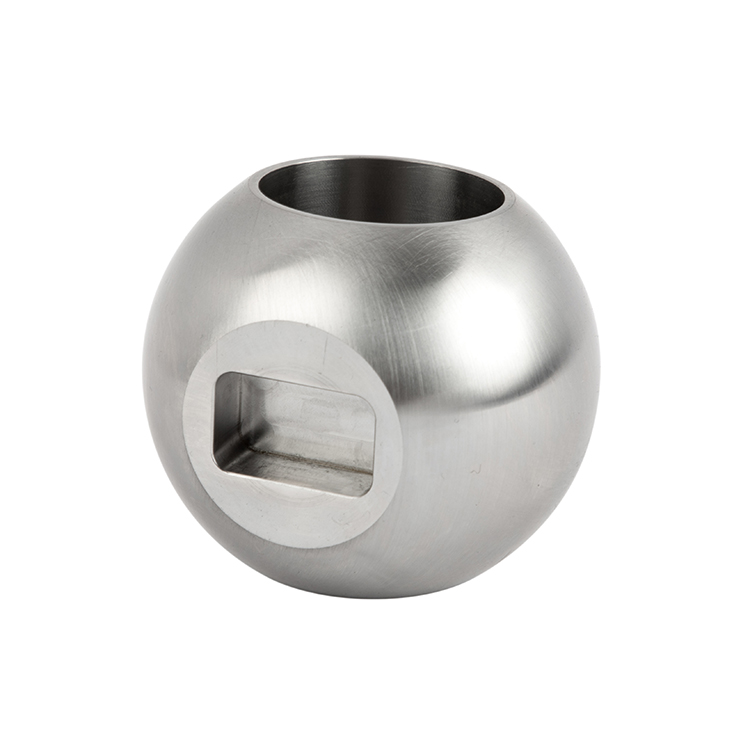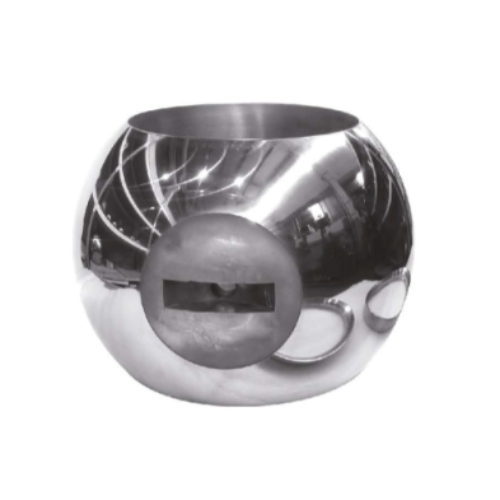


In the fast-paced world of industrial fluid control, the seal is the heart of the system. While many procurement managers focus on the outer metal grade, the real magic—or the risk of failure—lies in the mechanical sealing principle inside. Whether you are looking for a floating ball valve supplier or a trunnion ball valve supplier, your goal is simple: zero leaks, zero downtime, and zero headaches. This guide breaks down why the valve components you choose define the reliability of your entire operation.
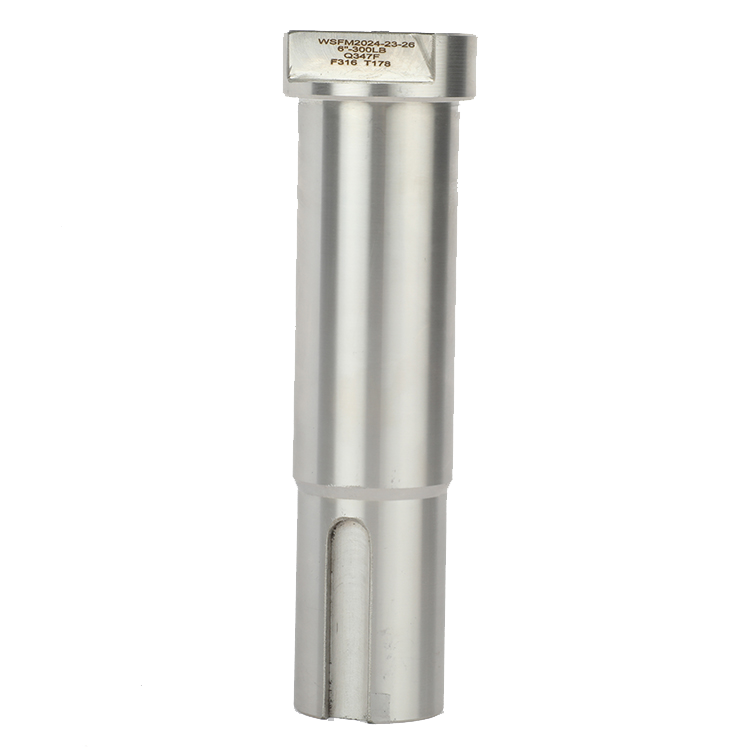
The most visible difference between floating and trunnion ball valves is how the ball sits inside the valve body. It’s a choice between “letting it move” and “locking it down.”
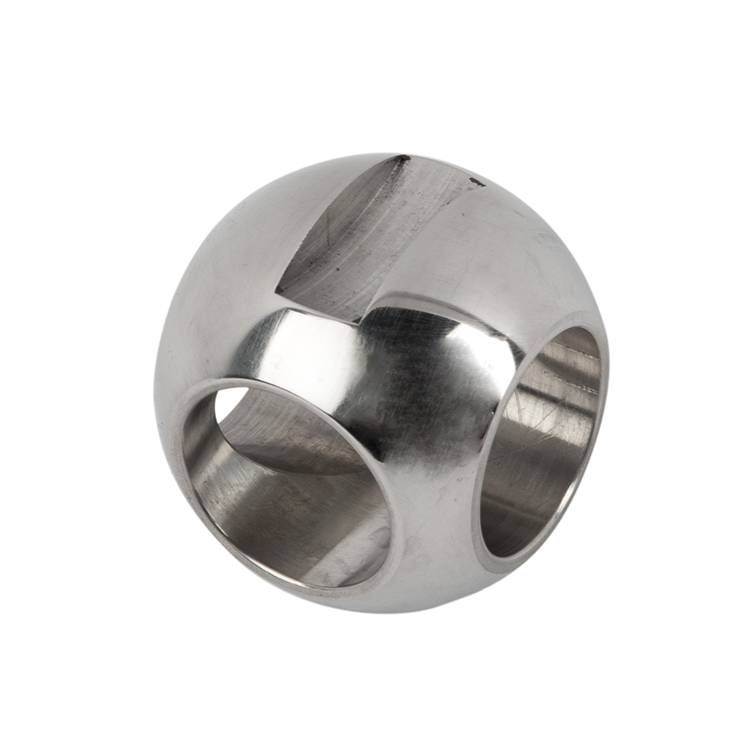
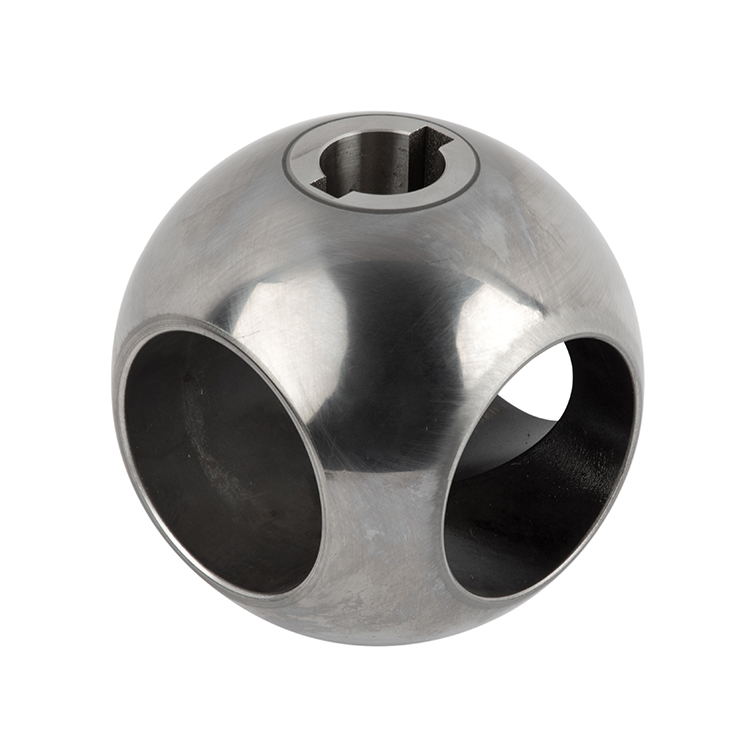
The Floating Ball: Think of a ball valve floating ball like a sailor on a boat. It isn’t anchored at the bottom; instead, it is held in place only by the two polymer seats. This “float” is a deliberate design choice. When fluid pressure hits the upstream side, it physically shoves the ball toward the downstream seat.
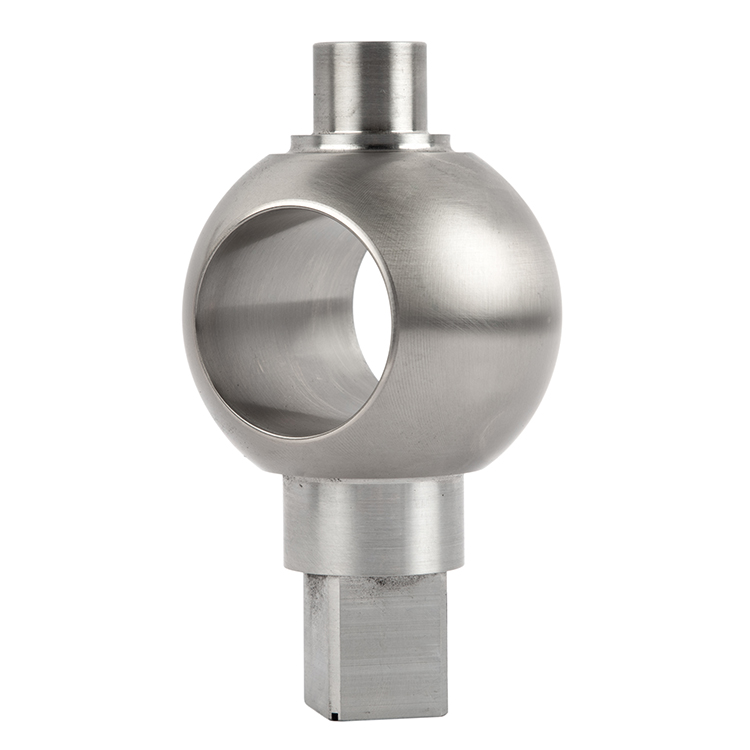
The Trunnion-Mounted Ball: In this design, the ball is “pinned” on a fixed axis—the trunnion. Imagine a heavy-duty vault door on a massive hinge; it can rotate smoothly, but it cannot move sideways even a fraction of a millimeter.
Why it matters: This support structure determines the valve’s limit. A floating ball depends on the seats to hold its weight, while the trunnion design transfers all that mechanical stress to the valve body itself. For your business, this means the trunnion design is the “heavy lifter” for high-pressure Class 600+ systems.
How a valve achieves a pressure energized seal depends entirely on which part is doing the “work.” In one design, the ball moves; in the other, the seats move.
Fixed Seats in Floating Valves: In a floating valve, the seats are static. They sit there like cushions. As the line pressure grows, the ball presses harder and harder into the downstream seat. This creates a tight, self-strengthening seal. However, there’s a catch: at very low pressure, the seal depends entirely on how tight the ball was “squeezed” during assembly (the interference fit).
Floating Seats in Trunnion Valves: Here’s the clever switch. Since the trunnion ball is anchored, the seats are designed to be mobile. High-quality trunnion ball valve manufacturers use spring-loaded seats. Even if there is zero pressure in the pipe, these tiny springs push the seat against the ball.
Sealing Logic: When high-pressure fluid enters, it gets behind the seat and pushes it even tighter against the ball. This “upstream sealing” logic means you don’t need to wait for the ball to move to get a tight shutoff.
If you’ve ever had a valve handle that felt like it was welded shut, you know why “operating torque” is a major part of any ball valve selection guide.
The Friction Trap in Floating Designs: Because the floating ball is shoved into the seat with the full force of the pipeline pressure, it creates massive friction. It’s like trying to slide a heavy crate across a carpet—the more weight you add, the harder it is to move. For your team, this means bigger handles, longer wrenches, and more expensive, high-torque actuators.
The Balanced Approach in Trunnion Designs: Since the trunnion ball is centered on an axis, it doesn’t “crush” the seat. The friction remains low and, more importantly, constant. This predictable torque allows you to use smaller, more efficient actuators, saving your business significant money on automation.
Stem Precision: As a specialized valve component manufacturer, we focus on the stem’s surface finish. A rough stem chews up the packing seals, but a mirror-polished stem glides, ensuring no “top-side” leaks during rotation.
In critical sectors like oil, gas, or chemical processing, safety isn’t just a buzzword—it’s a survival requirement. This is where the trunnion design pulls ahead.
Double Block and Bleed (DBB): This is the gold standard for safety. Because a trunnion valve has independent, floating seats on both sides, it can block flow from both the upstream and downstream simultaneously. You can bleed off the pressure in the middle cavity to prove the seal is 100% tight before starting maintenance. A floating design, which only seals on the downstream side, simply cannot offer this level of security.
Size and Pressure Scalability: While a floating ball valve supplier typically caps their range at 10 inches to prevent seat deformation, trunnion valves have no such limit. Whether it’s a 2-inch high-pressure line or a 48-inch cross-country pipeline, the trunnion component makes that scale possible.
| Comparison Metric | Floating Ball Valve | Trunnion Mounted Ball Valve |
| Mechanical Principle | Ball moves toward the seat. | Seats move toward the ball. |
| Internal Parts | Fewer parts (Ball + 2 Seats). | More parts (Trunnion, Springs, Bearings). |
| Operating Torque | High (grows with pressure). | Low and constant. |
| Size Capability | Small-bore (Typically up to 10″). | Large-bore (Up to 48″ and beyond). |
| Pressure Class | Low to Medium (Class 150/300). | High to Extreme (Class 600/1500/2500). |
| Safety Features | Standard single shutoff. | Double Block & Bleed (DBB) standard. |
| Ideal For | Budget-sensitive gas/water lines. | High-risk Oil, Gas, and Chemical plants. |
When sourcing an OEM ball valve, the secret to longevity isn’t found in the heavy iron body—it’s found at the microscopic level. You can have a brilliant structural design, but if the precision of the internal components is off by even a few microns, the valve is destined for early failure.
The “Sandpaper Effect”
In the valve world, surface roughness is the difference between a smooth glide and a slow grind.
The Problem: If a ball valve floating ball has a rough surface, every rotation acts like sandpaper on the soft polymer seats. In a floating design, where pressure shoves the ball hard against the seat, this abrasion is even more destructive.
The Precision Impact: This precision reduces the “breakaway torque” (the force needed to start the turn), saves your actuators from overworking, and effectively doubles the lifespan of your valve’s internal accessories.
Beyond Smoothness: The Integrity of Forged Components
Precision isn’t just about the surface; it’s about what lies beneath. This is where material science meets mechanical reliability.
Forging vs. Casting: Many standard valves use cast balls, which often hide tiny air pockets called “porosity.” Over time, high-pressure fluid finds these weak spots, causing the ball to develop “pitting” or microscopic craters.
The Precision Advantage: By insisting on forged components, you ensure a dense, uniform molecular structure. Forging eliminates internal voids, ensuring the ball remains perfectly spherical and corrosion-resistant throughout its life. This level of precision is what separates a “disposable” valve from a high-performance asset.
The True Cost of “Good Enough”
In a B2B environment, a cheap component is a liability. If a ball is slightly out-of-round or a seat is poorly machined, you don’t just lose a valve—you lose production time, labor hours, and perhaps even your reputation for safety. Choosing a trunnion ball valve manufacturer that prioritizes these high-precision details means you are investing in a “set and forget” solution rather than a constant maintenance headache.
Why is the sealing performance of a floating ball valve limited by its size?
In large valves, fluid pressure creates a massive force that deforms the seats, causing leaks and high torque.
Does a trunnion ball valve provide better sealing at low pressures?
Yes. Spring-energized seats push against the ball mechanically, ensuring a seal even with near-zero fluid pressure.
When should I choose a floating ball valve over a trunnion one?
Choose floating for smaller, low-to-medium pressure lines where cost-efficiency and simplicity are your primary goals.
Is maintenance harder for trunnion ball valves?
Trunnion valves have more parts, but they are designed for easy “in-line” maintenance, often allowing seat replacement without removing the body.
There is no “better” valve—only the “right” valve for your specific pressure, size, and safety requirements. Use the floating design for simplicity and cost-effectiveness in standard systems. Switch to the trunnion design when high performance, safety, and large-bore reliability cannot be compromised.
Partnering with a leading trunnion ball valve manufacturer ensures that every component is engineered with the precision your business deserves. Contact us today for high-precision components that guarantee superior sealing performance for your next project.


 Optimized by Seraphinite Accelerator