
If you’ve ever wondered how does a floating ball valve work, you’re looking at a design that uses the force of the medium itself to stay tight. It is a reliable, cost-effective solution for countless industrial systems, but its success depends entirely on the quality of its internal components. Whether you are a buyer or an engineer, understanding how these ball valve parts interact is the key to a system that runs without a hitch.
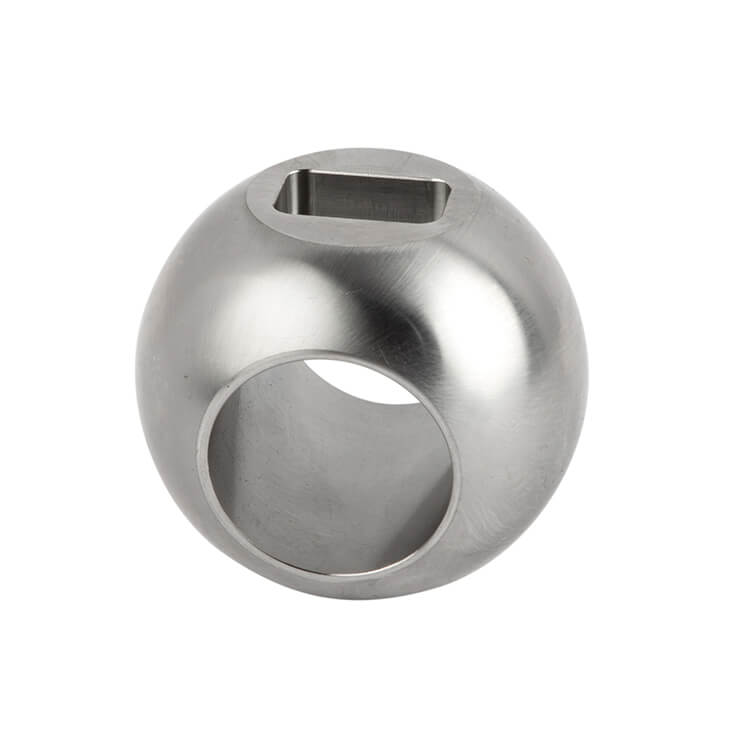
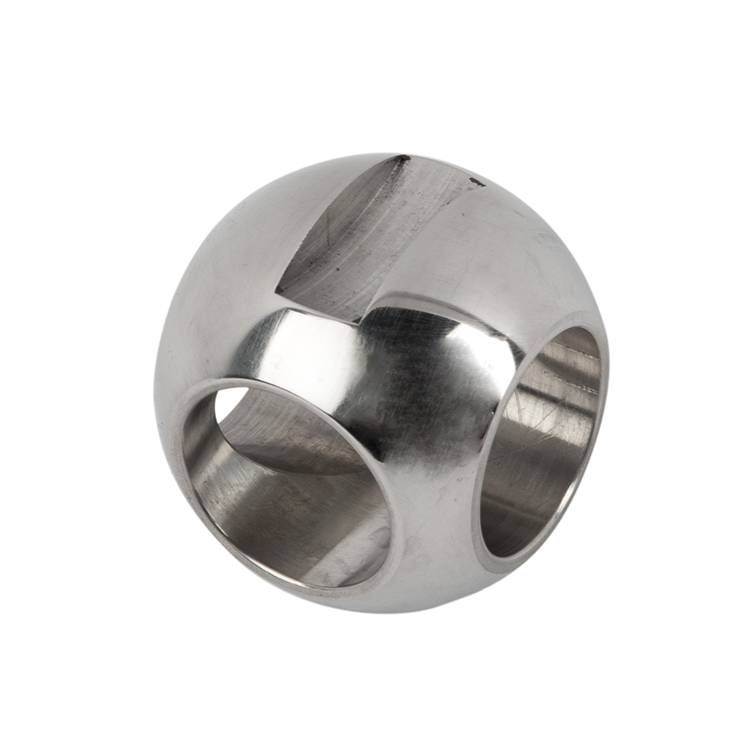
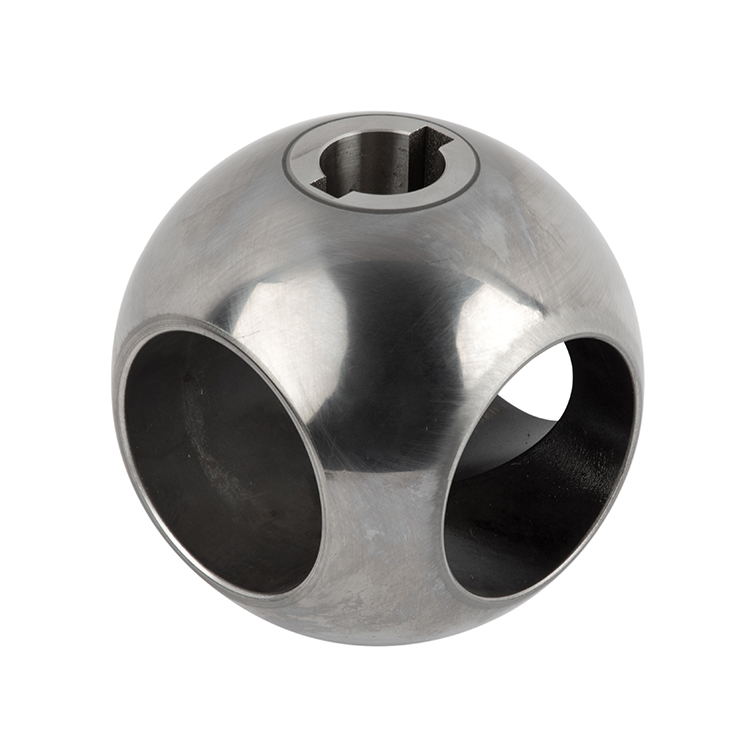
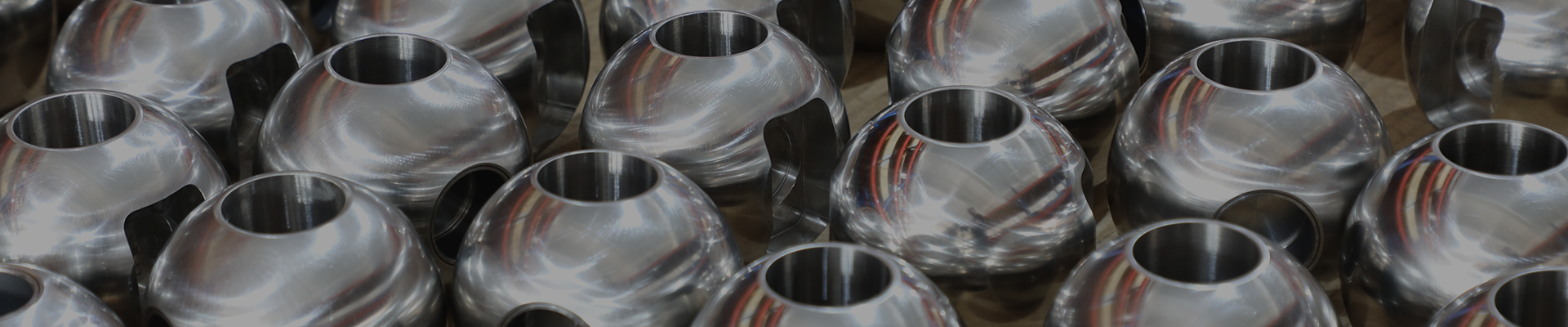
At its heart, a ball valve floating ball is exactly what it sounds like. Unlike valves where the ball is bolted down, this ball “floats” between two polymer seats. It isn’t fixed at the bottom, giving it just enough room to shift when the pressure comes knocking.
The “floating” action isn’t an accident—it’s a feature. Depending on what’s flowing through your pipes, the valve adjusts its behavior.
Low-Pressure Sealing: The Gentle Squeeze
Even when the flow is just a trickle, the valve doesn’t leak. This is due to the interference fit. Think of it like a tight shoe; the seats are designed to be slightly smaller than the ball. This constant “squeeze” keeps things tight even when there isn’t enough fluid force to push the ball.
High-Pressure Performance: The Power of the Shift
As the pressure ramps up, the “magic” happens. The fluid pushes the ball toward the downstream seat. This creates a pressure energized seal. The harder the fluid pushes, the tighter the ball presses into the seat. It’s a self-strengthening system that prevents leaks when the stress is highest.
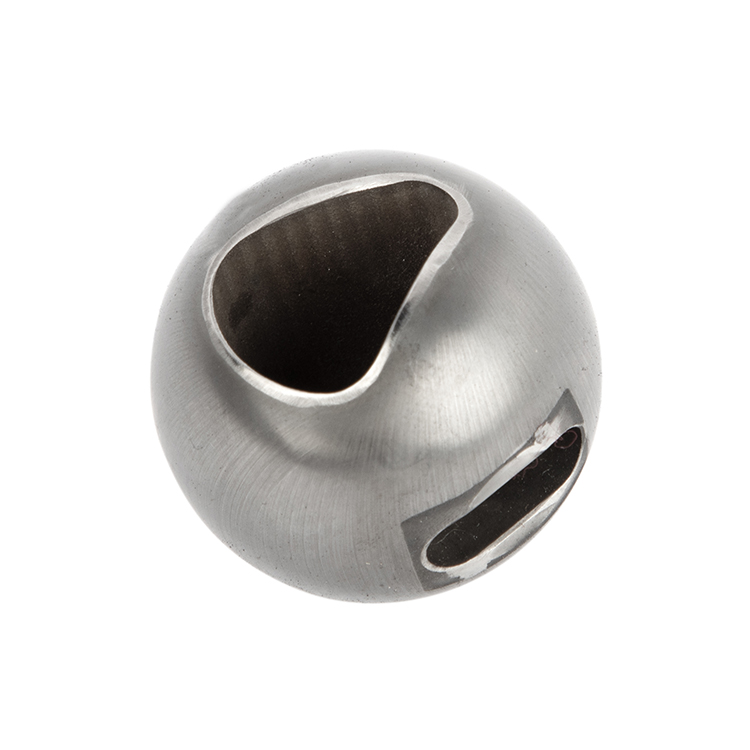
The Ball Valve Floating Ball is the star of the show. If it isn’t perfect, the whole performance falls apart.
The Importance of Roundness: Imagine a wheel that isn’t quite round; it’s going to be a bumpy ride. If the ball is even slightly egg-shaped, it will chew up the seats every time you turn the handle. A perfectly spherical ball ensures a smooth, “buttery” rotation and a seal that stays tight all the way around.
Mastering Sealing Surface Roughness: If the surface of the ball feels like a fingernail file, it’s going to act like sandpaper on your seals. Low sealing surface roughness is non-negotiable. A mirror-like finish means less friction, a lower torque (easier to turn), and a much longer life for your valve.
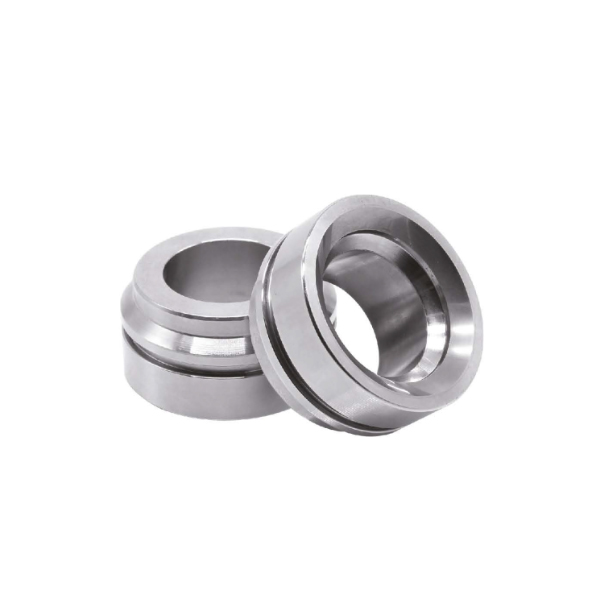
The seats are the unsung heroes. They don’t just sit there; they work hard to keep the fluid where it belongs.
Flexible Support
A good floating ball valve seat design needs to be a bit like a gymnast. It has to be stiff enough to hold its shape but resilient enough to let the ball move a fraction of a millimeter to create that high-pressure seal.
Material Science
Choosing the right seat material is like choosing the right tires for a car
PTFE: The all-rounder. Smooth, chemical-resistant, and great for most jobs.
PEEK: The tough guy. It handles higher pressures and temperatures without breaking a sweat.
Wear Prevention
Ever heard of “cold flow”? It’s when a plastic seat starts to flatten out like a pancake over time. A well-designed seat prevents this by supporting the material correctly, ensuring you get a bubble-tight shutoff through thousands of open-and-close cycles.
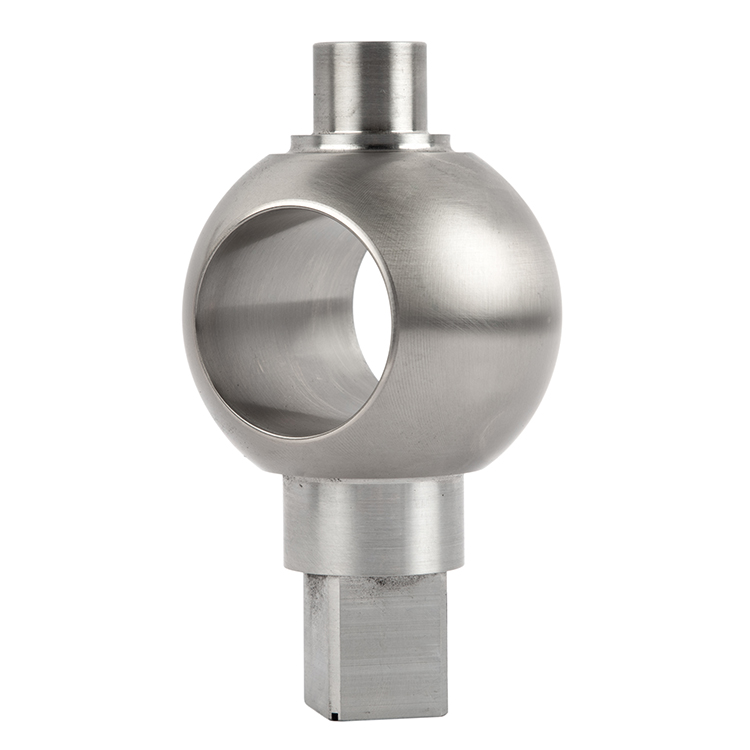
While the ball and seats handle the seal, the valve stem is the “nerve center” of the valve. It is the part you actually interact with. A professional floating ball valve manufacturer knows that if the stem fails, the valve doesn’t just stop working—it becomes a safety hazard.
The “Anti-Blowout” Shield
Imagine thousands of pounds of pressure pushing up from inside the pipe. Without the right design, that pressure could shoot the stem out of the valve like a bullet.
The Solution: Quality stems feature an “internal shoulder.” This is a mechanical ledge that is wider than the hole it sits in.
The Result: Even if the external bolts are removed or the packing fails, the stem is physically trapped inside the body. It’s a “fail-safe” that protects your team on the ground.
Stem Surface Finish: Preventing the “Sandpaper” Effect
You might not see it with the naked eye, but the smoothness of the stem matters as much as the ball’s sealing surface roughness.
The Problem: If a stem is rough, it acts like a file every time you turn the handle.
The Impact: It chews through the soft packing seals, leading to those annoying “top-side leaks” that are a nightmare to fix.
The Fix: High-precision polishing ensures the stem glides against the seals, keeping the valve leak-free for years.
The “Dead Zone” Challenge: Stem-to-Ball Interface
Have you ever turned a handle only to feel a “lag” before the flow starts? That’s called a dead zone.
Tight Tolerances: In a top-tier ball valve floating ball design, the slot where the stem fits into the ball is machined to a fraction of a millimeter.
Control: This ensures that when you turn the handle 10°, the ball turns exactly 10°. No slop, no guesswork—just precise flow control.
| Component | Role in the Valve | Impact on Safety & Performance |
| Floating Ball | The Seal | Uses pressure to create a “bubble-tight” shutoff. |
| Valve Seat | The Cushion | Absorbs ball movement and prevents internal leaks. |
| Valve Stem | The Controller | Prevents blow-outs and ensures operator safety. |
| Packing Seals | The Barrier | Stops fluid from escaping through the top of the valve. |
When you talk to a floating ball valve manufacturer, the biggest “part” difference you’ll discuss is how the ball is supported. This change in components completely flips the working principle.
Support Structure: In a floating valve, the ball hangs between seats. In a trunnion design, the ball is “pinned” by a fixed axis. This anchor-part allows the valve to handle massive sizes (above 10 inches) that would crush a floating ball’s seats.
Sealing Logic (Downstream vs. Upstream): Because of the ball valve floating ball design, the seal happens on the far side (downstream). In a trunnion setup, the parts are designed so the pressure pushes the seats onto the ball (upstream).
Torque and Part Wear: Since a floating ball is shoved hard into the seat by pressure, it gets “heavier” to turn as pressure rises. Trunnion parts keep the ball centered, keeping the torque low and steady.
Application Fit: Floating parts are your go-to for cost-effective, low-to-medium pressure jobs. Trunnion parts are the choice for heavy-duty, large-scale industrial pipelines.
Why is the ball in a floating ball valve not fixed to the stem?
The “float” allows pressure to push the ball into the seat, creating a tighter seal as pressure increases.
Does sealing surface roughness really affect the valve‘s life?
Absolutely. Rough surfaces act like sandpaper, grinding down seats and causing internal leaks and difficult operation.
How does a floating ball valve achieve a “Pressure Energized Seal”?
Upstream fluid pressure physically shifts the ball into the downstream seat, making the seal tighter as pressure rises.
Can a floating ball valve be used for bidirectional flow?
Yes. Since the ball can move toward either seat, it can stop flow from both directions effectively.
The success of your system depends on the perfect harmony between the ball, the seat, and the stem. When these ball valve parts are engineered with precision, the floating design is nearly unbeatable. Partner with GOTEB, a leading floating ball valve manufacturer, for high-precision components and customized technical solutions that keep your business flowing smoothly.


 Optimized by Seraphinite Accelerator