
When you are dealing with high-pressure pipelines, you need a valve that won’t flinch under stress. That is exactly where the trunnion ball valve steps in. In this guide, you’ll discover how this “heavy-duty” design matters and why it’s the backbone of the world’s most demanding industries.
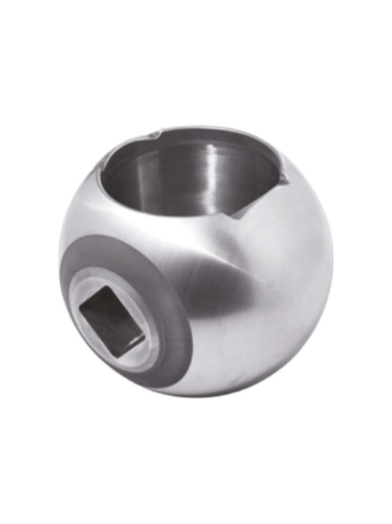
A trunnion mounted ball valve is a rugged valve design where the internal ball is anchored at both the top and bottom, allowing it to handle massive pressure without shifting. Think of it as the ironclad guardian of your piping system, built to stay steady when the stakes are high.
Imagine a swinging door versus one held tightly on a heavy-duty hinge. A trunnion ball valve is that hinged door—it’s built for stability.
To ensure high-precision flow control, industrial trunnion ball valve design relies on three distinct engineering elements:
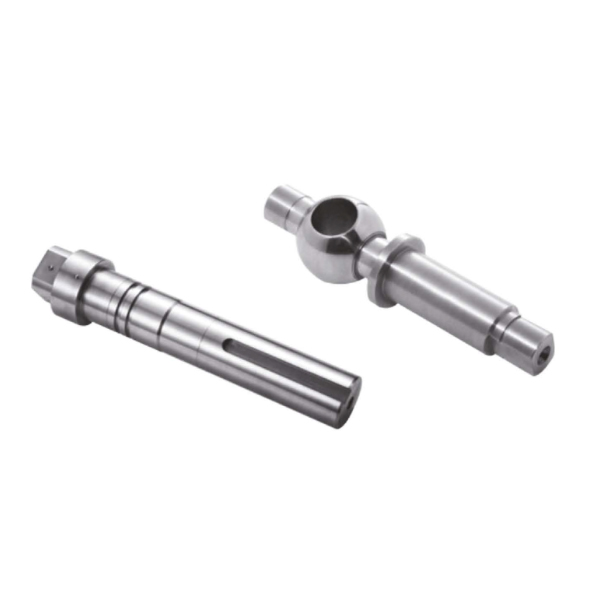
Fixed-Axis Stabilization: The trunnion valve ball is permanently anchored by upper and lower shafts to eliminate sphere shifting under huge differential pressures.
Spring-Loaded Sealing: Unlike floating setups, the seats move rather than the ball, ensuring a predictable, low-torque seal response.
Automatic Cavity Relief: Preventing dangerous thermal expansion spikes within the valve body through self-relieving seat pocket engineering.
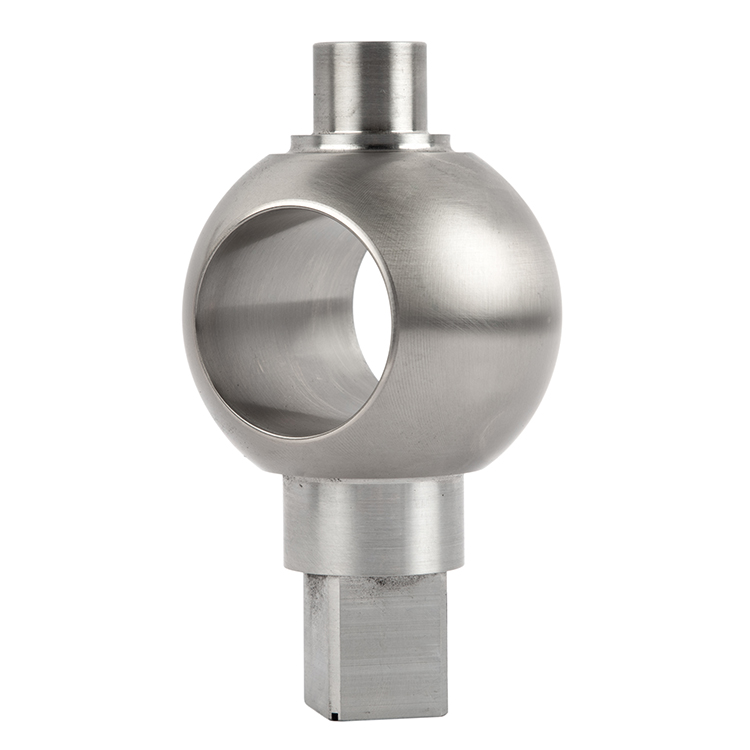
In a standard valve, the ball might wiggle a bit. Not here. In a trunnion ball valve design, the trunnion valve ball is held firmly by a shaft at the top (the stem) and another support at the bottom (the trunnion). This “fixed-ball” setup means the ball stays perfectly centered, no matter how hard the liquid or gas pushes against it.
Here is where it gets interesting. In many valves, the ball moves to find the seal. In a trunnion mounted ball valve, the ball stays put, and the upstream pressure forces the seats against the ball.
Because the seats are the ones doing the moving, you get a much tighter seal without straining the ball itself. It’s like a glove moving to fit a hand, rather than the hand trying to grow into a glove.
Since the ball isn’t being shoved into the valve seat by the pressure, the friction stays low. What does this mean for you?
Easier to turn: You don’t need a massive, expensive motor (actuator) to open or close it.
Less wear: The parts don’t grind against each other as much, so the valve lasts longer in your system.
A valve is only as good as its weakest link. Let’s look at the “all-star” team of ball valve parts and function that make this design work.
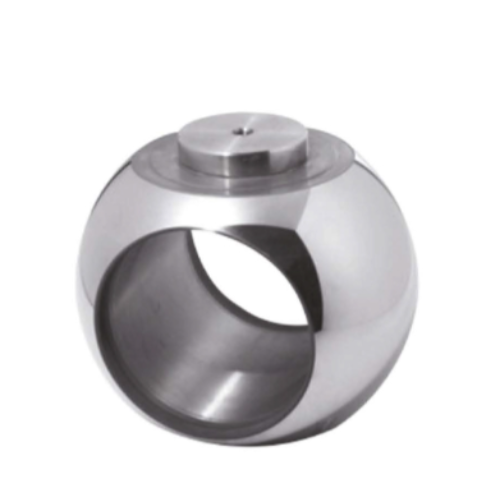
The Heart: The Trunnion Valve Ball
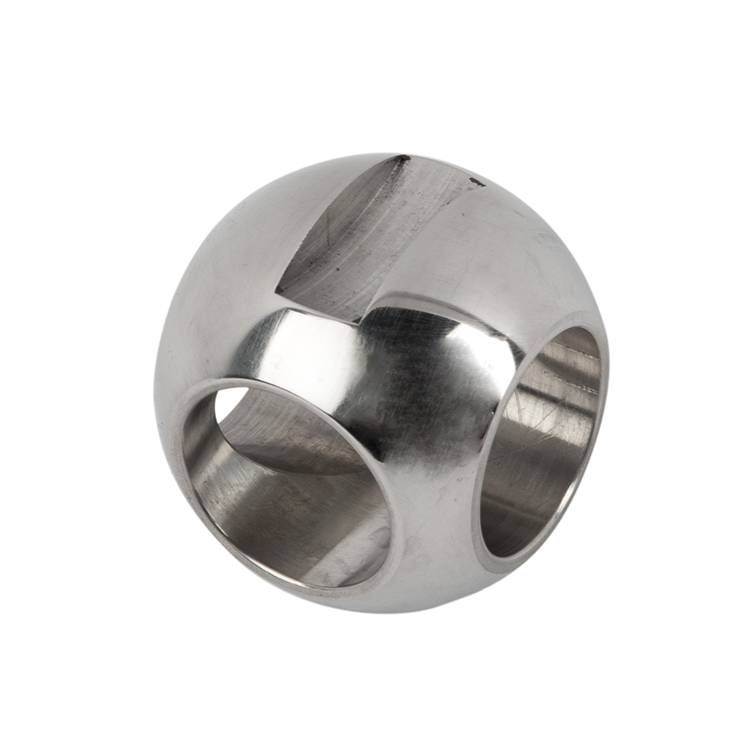
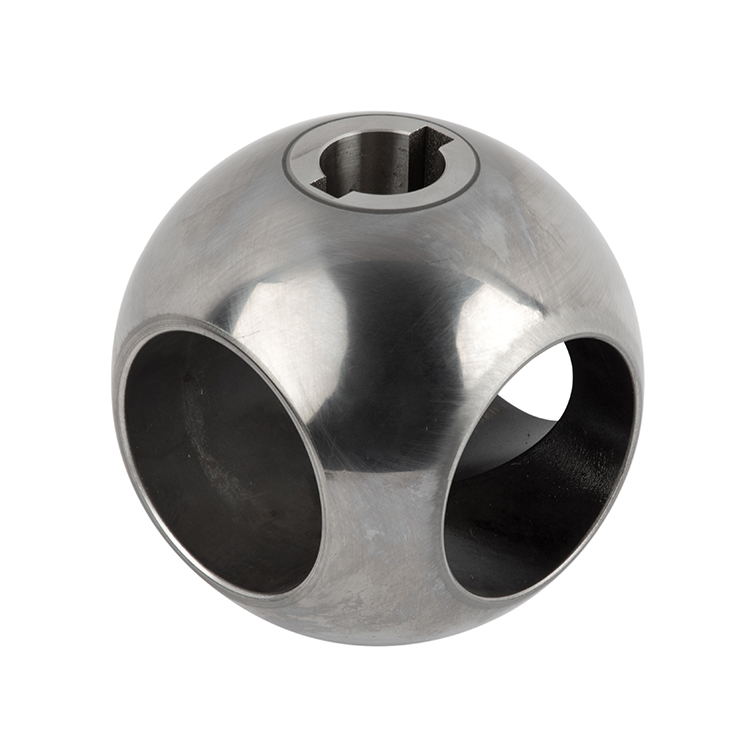
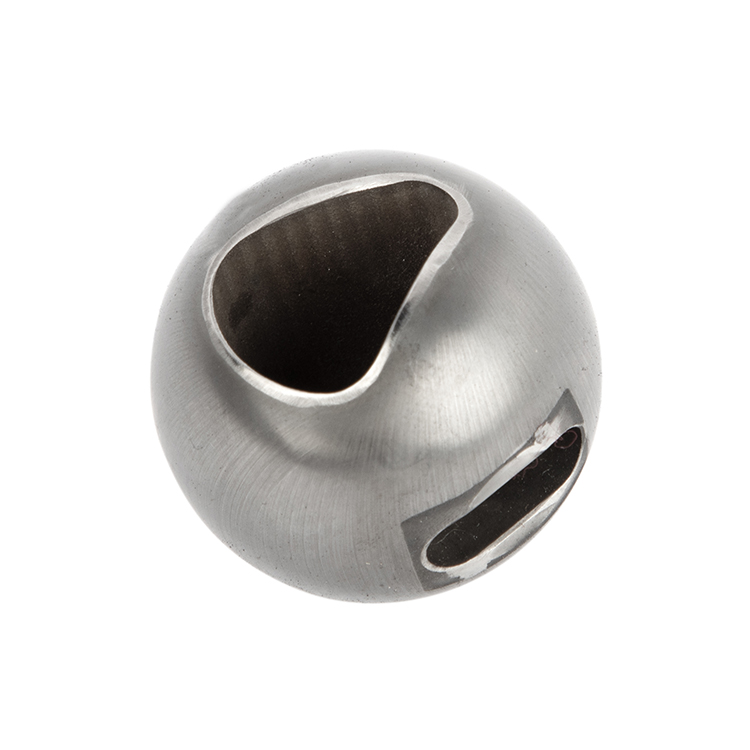
This is the center of the action. Usually made in a ball valve parts factory, this ball has a hole through the middle. When the hole aligns with the pipe, the fluid flows. Because it’s a trunnion valve ball, it has extra metal “ears” or supports to keep it from moving out of place.
The High-Precision Valve Stem
The stem is the “neck” of the valve. It connects the handle or motor to the ball. Professional designs use “anti-blowout” stems. Even if the pressure inside reaches crazy levels, the stem is mechanically locked in so it can’t go flying out like a bullet. It ensures a smooth, safe rotation every time you turn the handle.
Spring-Loaded Valve Seats
Most trunnion ball valve manufacturers put tiny springs behind the seats. Why? These springs keep the seat pressed against the ball even when the pressure is low. It ensures a “bubble-tight” seal from the moment you start the flow until the system is at full blast.
The Valve Body: Cast vs. Forged
The “shell” of the valve can be made in two ways:
Cast Body: Molten metal is poured into a mold. It’s great for complex shapes and is generally more budget-friendly.
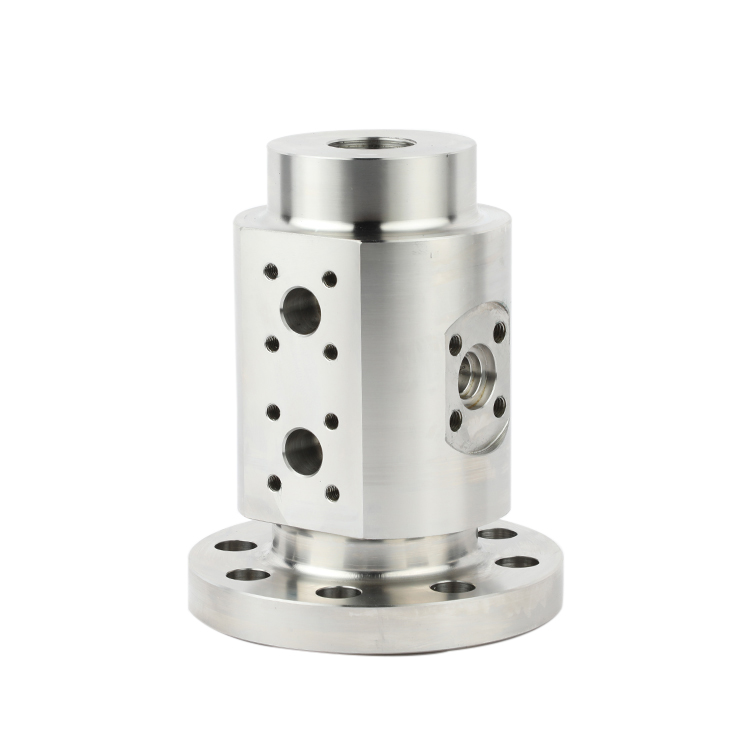
Forged Body: Metal is hammered into shape under immense heat. A forged trunnion ball valve is like a piece of armor—it’s incredibly dense, has zero tiny air bubbles (porosity), and is the gold standard for high-pressure safety.
If you are looking at a ball valve selection guide, you’ll likely see “Floating” and “Trunnion” side-by-side. Here is how they stack up.
The Structure (Anchor vs. Float)
Trunnion: The ball is “pinned” at the top and bottom. It cannot move sideways.
Floating: The ball is held only by the seats. It “floats” inside the valve body.
Sealing Type
Trunnion (Upstream): The pressure pushes the seat onto the ball. This allows for sealing on both sides at once.
Floating (Downstream): The pressure pushes the ball into the far-side seat to stop the leak.
Pressure & Size
Trunnion: The undisputed king for large-bore (6″+) and high-pressure systems. It can handle the weight and the force without breaking a sweat.
Floating: Usually for smaller pipes (under 6 inches) and lower pressure. If the pipe is too big, the pressure might crush the seats.
Operating Torque
Trunnion: Since the ball is anchored, the torque stays low and steady. You can turn a massive trunnion valve with much less effort than a smaller floating one.
Floating: As pressure goes up, the ball gets pushed harder against the seat, making it very “heavy” and difficult to turn.
Cost & Complexity
Trunnion: More complex, more parts, and a higher price tag. However, for critical infrastructure, it’s an investment that pays for itself in safety and durability.
Floating: Simpler design, fewer parts, and cheaper to buy. Great for standard plumbing or light industrial work.
Trunnion Ball Valve vs Floating Ball Valve Comparison
| Feature | Trunnion Ball Valve | Floating Ball Valve |
| Ball Support | Anchored at top and bottom (Fixed) | Supported by seats only (Floats) |
| Sealing Logic | Upstream & Bidirectional sealing | Downstream side sealing |
| Operating Torque | Low and constant | High (increases with pressure) |
| Size Range | No limit (Ideal for Large-bore) | Typically Small-bore (Up to 6″-10″) |
| Pressure Rating | High and Extreme pressure | Low to Medium pressure |
| Best For | High-risk critical infrastructure | Budget-friendly standard systems |
You won’t find these in your kitchen sink, but you will find them in the veins of the modern world.
Oil & Gas Industry
In long-distance pipelines and high-pressure refineries, a leak isn’t just a nuisance—it’s a disaster. Trunnion mounted ball valves are used here because they can hold back thousands of pounds of pressure for years without failing.
Power Generation
Whether it’s a nuclear plant or a coal station, managing super-heated steam and cooling water requires a valve that doesn’t warp under heat. The stability of the trunnion design is perfect for these high-temperature cycles.
Chemical Processing
Chemical plants handle some “nasty” fluids—acidic, corrosive, or super-thick. Because you can equip these valves with hard coatings, they can survive environments that would eat a standard valve for breakfast.
Water Management
Think about the massive pipes that bring water to a whole city. Those valves are huge! A floating ball would be too heavy and hard to move, so municipal water systems rely on the durability and ease of the trunnion design to keep the water flowing.
Standard floating valves fail when the pipeline gets too demanding. Heavy-duty trunnion ball valve applications are strictly required in these fields:
High-Pressure Gas Distribution: Managing critical isolation in gas pipelines where standard pressures exceed Class 600.
Abrasive Slurry Lines: Protecting internal sealing faces from heavy particle scoring by pairing fixed spheres with a rugged Metal Seated Valve Ball and Seat.
Large-Bore Transmission: Mainline valves over 6 inches where operating torque must remain low enough for budget-friendly actuator sizing.
Is a trunnion ball valve truly bidirectional?
Yes. Since the seats are spring-loaded and independent, they can seal the flow from either direction effectively. You can learn more about how this works in our guide on bidirectional or not: what you must know about trunnion ball valves.
Why choose a forged trunnion ball valve over a cast one?
Forging makes the metal denser and stronger. It’s much safer for high-pressure or high-risk industrial environments.
Can a trunnion ball valve handle slurry or abrasive media?
Yes. With hard metal seats and specialized coatings, they can handle grit and “trash” in the line easily.
What is an “anti-blowout” stem in a trunnion ball valve design?
It is a safety feature where the stem is internally locked, so high pressure cannot eject it from the valve.
When your business depends on moving high-pressure fluids safely, the trunnion ball valve is the smartest choice you can make. It’s tough, reliable, and built to last. If you are looking for premium parts that won’t let you down, visit GOTEB for professional support and customized valve part solutions today.


 Optimized by Seraphinite Accelerator